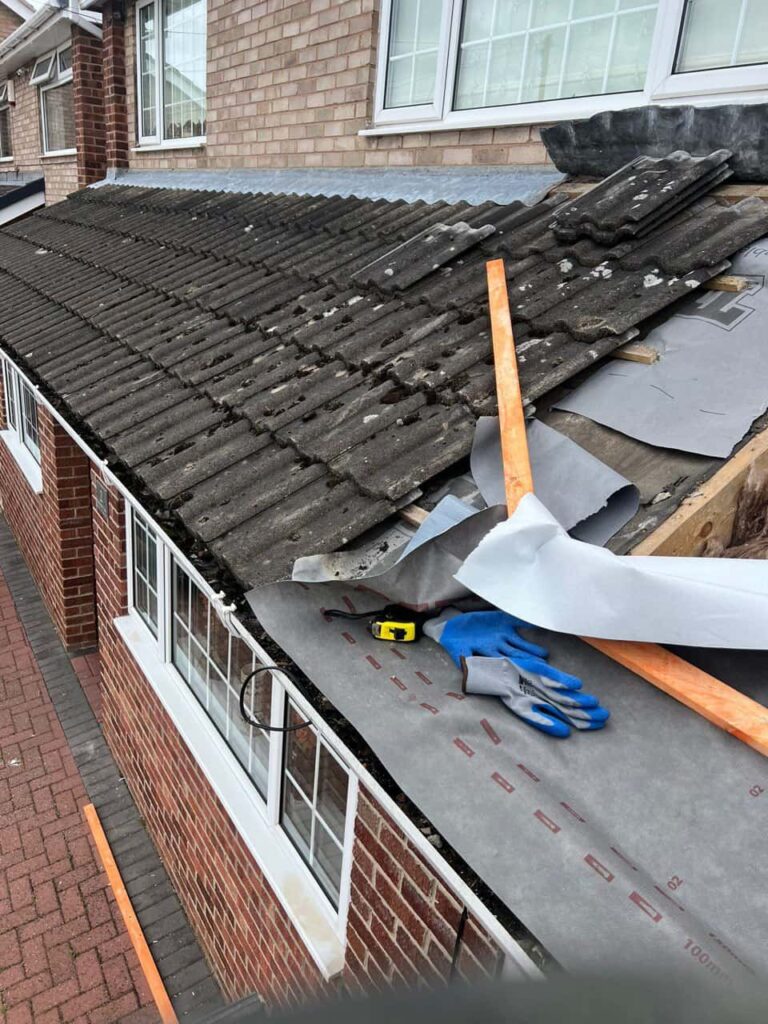
Slate roofs are valued for their distinctive appearance, durability and traditional character. However, like any roofing system, slate can develop problems over time as a result of weather exposure, ageing materials, damaged fixings or movement within the roof.
For property owners in New Ollerton, Nottinghamshire, regular inspection and appropriate slate roof repairs can help maintain the condition of a traditional slate roof. Understanding common problems and knowing when professional attention is needed can help prevent minor defects from developing into more significant roofing issues.
Understanding Traditional Slate Roofs
Traditional slate roofs consist of individual slate tiles secured to a supporting structure using appropriate fixings. Each slate forms part of the overall weatherproof covering, so damage or displacement in one area can leave the roof more vulnerable to rain.
The condition of the fixings, battens, underlay and surrounding slates can also influence how well the roof performs. This is why repairs should consider the wider condition of the affected area rather than focusing only on an individual damaged slate.
Common Problems Affecting Slate Roofs
Slate can remain in good condition for many years, but individual tiles may eventually crack, become loose or slip from their original position.
Common problems include:
- Cracked or broken slates
- Slipped slates
- Loose or deteriorated fixings
- Damaged roof battens
- Defective flashing
- Water ingress around roof junctions
- Deterioration around chimneys and roof edges
Identifying the cause of the problem is important before carrying out repairs.
Replacing Damaged or Missing Slates
A cracked or missing slate can create an opening through which rainwater may enter. Replacing the affected slate is often an important part of restoring the roof’s weather protection.
Care is required when working with traditional slate because surrounding tiles can be vulnerable to damage if handled incorrectly. A professional roofer can remove defective slates and install suitable replacements while taking care around the existing roof covering.
Repairing Slipped Slates
Slates can move when fixings deteriorate or become loose. A slipped slate may be visible from ground level, although smaller movements can sometimes be difficult to identify.
Leaving displaced slates unattended can expose the underlying roof structure to rain and wind. Professional repairs can secure the affected area and check whether neighbouring slates or fixings have also been compromised.
Checking Roof Flashing
Flashing protects vulnerable areas where the roof meets walls, chimneys and other structures. If flashing becomes cracked, loose or deteriorated, water can find its way beneath the slate covering.
During a slate roof inspection, flashing should be considered alongside the slates themselves. Repairing defective flashing can help address leaks that might otherwise be incorrectly attributed to damaged slates.
Protecting the Roof From Water Ingress
Water ingress is one of the main concerns when maintaining an older slate roof. Damp patches, water staining or signs of moisture inside the property can indicate a roofing defect.
The source of a leak may not be directly above the visible internal damage because water can travel through the roof structure. Professional inspection can therefore be useful when the cause is not immediately apparent.
The Importance of Professional Slate Roof Repairs
Traditional slate roofing requires careful handling. Attempting to walk directly across slates or carry out unsuitable repairs can result in additional breakages.
Professional roofers can assess the condition of the slates, fixings, flashing and surrounding components before deciding what work is required. This helps ensure that repairs are targeted towards the actual cause of the problem.
Regular Maintenance and Inspections
Regular inspection can help identify small defects before they develop into larger roofing problems. Property owners in New Ollerton should pay attention to missing or displaced slates, visible cracks, damaged flashing and signs of water ingress.
Gutters and roof drainage should also be kept clear so that rainwater can flow away effectively. Maintaining the surrounding roof components can form an important part of protecting the overall roofing system.
When Should Slate Roof Repairs Be Considered?
Professional attention should be considered when there are visible damaged or missing slates, repeated leaks, loose roof components or signs that the roof covering is deteriorating.
Repairs do not necessarily mean replacing large sections of a roof. Where the underlying structure and surrounding slates remain in suitable condition, targeted repairs may be appropriate.
Slate Roof Repairs in New Ollerton
For property owners in New Ollerton, Nottinghamshire, New Ollerton Roofing Repairs provides professional slate roof repair services for traditional and older roofing systems.
From replacing damaged slates to addressing slipped tiles, defective flashing and water ingress, a professional assessment can help establish the condition of the roof and identify the appropriate repair work.
Conclusion
A traditional slate roof can provide a distinctive and durable covering, but individual slates, fixings, flashing and other components can deteriorate over time. Regular inspection and appropriate repairs can help maintain its weather protection and preserve the condition of the roof.
If you have noticed damaged, missing or slipped slates at your property in New Ollerton, Nottinghamshire, contact New Ollerton Roofing Repairs to arrange a professional assessment and discuss the repairs your slate roof may require.
Call us on: 01623 701 196
Click here to find out more about New Ollerton Roofing Repairs
Click here to complete our contact form and see how we can help with your roofing needs.