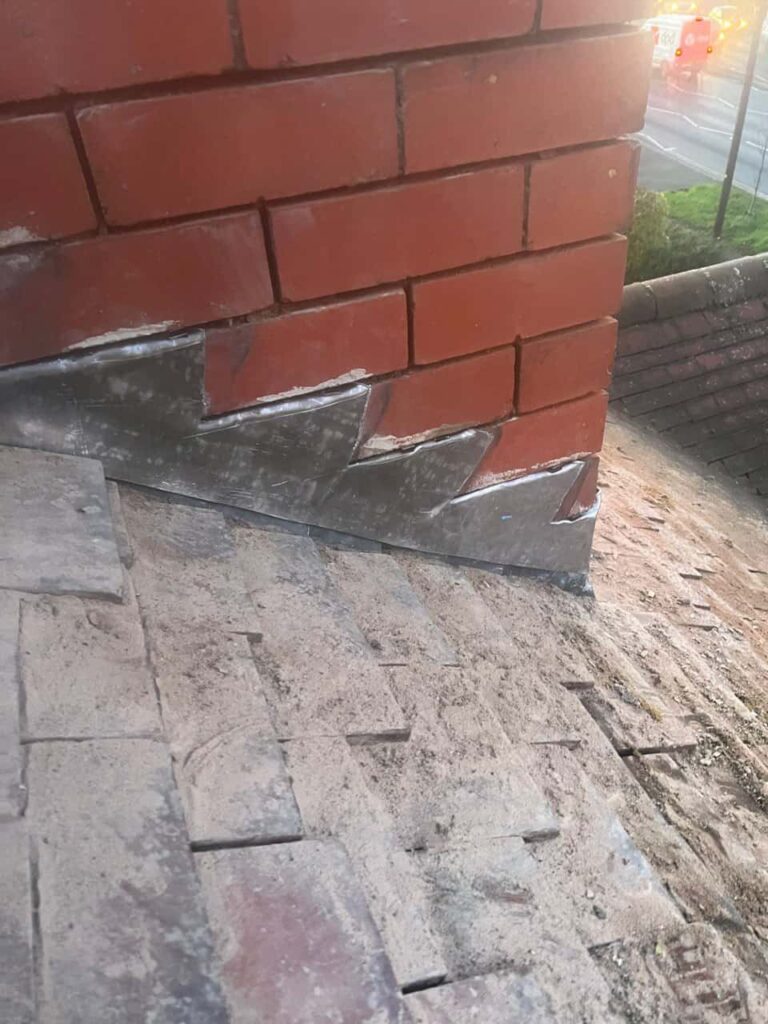
Roofing problems do not always occur independently. A slipped tile may allow water to reach the underlay, moisture may then travel towards a roof junction, and nearby mortar or flashing may already be showing signs of deterioration. What initially appears to be one small defect can therefore involve several connected parts of the roofing system.
For homeowners in New Ollerton, Nottinghamshire, a professional roof repair can often address several related problems when they share the same underlying cause or affect the same area. The key is to inspect beyond the most obvious symptom and understand how the roof is performing as a complete system before deciding what needs to be repaired.
Why Do Several Roofing Problems Sometimes Develop Together?
A roof consists of multiple components working together to keep a property protected from the weather. Tiles or slates form the external covering, while flashing, mortar, underlay and roof junctions all contribute to controlling water and maintaining weather resistance.
When one component deteriorates, neighbouring areas can sometimes become more vulnerable.
For example, a displaced tile can expose materials beneath it. Deteriorated flashing may allow repeated moisture penetration around adjoining components. Movement around ridge or verge details can also affect more than one individual piece of roofing material.
This connection between different components is why inspecting the wider affected area is so important.
One Visible Defect May Have Several Consequences
The most noticeable roof problem is not necessarily the only one that needs attention.
A homeowner might first notice an internal damp patch. Inspection could then reveal a damaged tile, deteriorated surrounding materials and a vulnerable junction contributing to the same water ingress.
Likewise, several loose tiles may be symptoms of a problem affecting the way that particular section of roof is secured rather than a series of unrelated failures.
Treating each visible symptom separately can overlook the relationship between them.
Finding the Root Cause Can Simplify the Repair
Several apparent roofing problems can sometimes originate from one underlying weakness.
Consider water entering around a deteriorated roof junction. The moisture may produce staining in one location, affect surrounding materials elsewhere and eventually become visible internally some distance away.
These may appear to be separate issues, but correcting the original point of entry and dealing appropriately with affected surrounding materials can address them together.
Accurate diagnosis therefore plays a major role in determining the scope of the repair.
Water Ingress Often Creates Connected Problems
Leaks are particularly likely to produce symptoms in more than one area because water can travel after entering the roof.
Moisture may follow underlay, timbers or other materials before becoming visible. Consequently, several damp patches do not automatically mean that there are several separate holes in the roof.
Equally, one internal stain does not guarantee that only one roofing component is affected.
A professional roof inspection considers possible water paths and checks surrounding areas so that the repair can address the source rather than simply the final point where moisture becomes visible.
Damaged Tiles and Surrounding Materials Should Be Considered Together
When one tile or slate is damaged, it is useful to inspect the components immediately around it.
Neighbouring materials may remain completely serviceable, in which case a relatively contained repair may be suitable. Alternatively, there may be evidence of movement, cracking or deterioration across a small group of components.
Repairing the complete affected section can be more appropriate than concentrating exclusively on the first damaged tile.
The objective should be to leave the surrounding roof secure rather than simply improve its appearance from ground level.
Flashing Problems Can Affect Several Roof Details
Flashing is commonly used around vulnerable junctions and changes in the roof structure. Its performance can therefore influence more than one adjoining component.
If flashing becomes displaced or deteriorated, water may reach surrounding tiles, mortar or materials beneath the covering.
A professional repair should consider the condition of the flashing together with the surfaces and components it connects.
This provides a more complete approach than treating internal dampness without investigating the roof junction responsible for it.
Ridge and Verge Deterioration Can Involve Multiple Components
Ridge and verge areas contain several individual roofing elements that work together.
When deterioration begins, it may not remain confined to a single point. Weathered mortar, local movement or loose components can sometimes occur across a wider section.
An inspection can determine whether one component requires attention or whether several related elements should be addressed during the same repair.
This is particularly useful because correcting connected defects together can restore the integrity of the affected roof detail as a complete section.
Previous Repairs Should Be Included in the Assessment
A roof that has received previous repairs may contain materials of different ages and conditions.
An older repair might still be performing perfectly well while surrounding original materials begin to deteriorate. Alternatively, a new problem may have developed where repaired and older sections meet.
Rather than assuming the previous work has failed, the entire area should be inspected.
Understanding how old and newer materials are interacting can help identify which components genuinely require attention.
Several Problems Do Not Automatically Mean the Whole Roof Is Failing
Finding more than one defect can understandably cause concern, but the number of individual problems does not by itself determine the condition of the entire roof.
Several defects may be concentrated around one particular junction or section while the remainder of the roof stays in good condition.
In these circumstances, one coordinated professional repair may be capable of addressing the complete affected area.
The situation becomes different when similar deterioration is widespread across numerous unrelated sections. This is why the pattern and location of defects matter as much as the number of problems found.
A Coordinated Repair Can Avoid Treating Symptoms Separately
If several defects are closely related, approaching them as one repair can provide a clearer solution.
For example, repairing a vulnerable junction while also replacing affected nearby tiles and correcting deteriorated associated details can restore the complete section rather than leaving individual weaknesses untreated.
This does not mean carrying out unnecessary work around every defect.
A coordinated repair should remain focused on the components that are actually contributing to the problem.
Why the Surrounding Roof Needs to Be Checked
The area around a visible defect can provide important information about how the problem developed.
If surrounding tiles, flashing and mortar remain secure, the issue may be genuinely isolated. If nearby components show similar deterioration, the repair may need to cover a slightly wider section.
Checking adjoining materials can also reveal early-stage defects that are directly connected to the original problem.
This helps establish a sensible repair area based on actual roof condition rather than assumptions.
Professional Diagnosis Can Prevent Repeated Repairs
Repeatedly addressing individual symptoms without identifying their relationship can lead to the same general problem returning.
A leak may reappear because the original water entry point was missed. Another tile may move because the reason for movement across the section was never investigated. Dampness may persist because more than one vulnerable detail contributes to it.
Professional diagnosis aims to understand these connections before repair work begins.
At New Ollerton Roofing Repairs, we assess the visible problem together with the condition of surrounding roofing materials so that related defects can be identified and addressed appropriately.
The Aim Is to Restore the Complete Affected Area
Good roof repair should restore reliable performance rather than simply remove visible signs of damage.
When several connected problems exist, this means considering how the individual components work together. Tiles, flashing, mortar and roof junctions should not be treated as completely separate when their performance is directly related.
Once the source and extent of the problem have been established, an appropriate repair can focus on restoring the integrity of the affected area while leaving sound sections undisturbed.
When a Wider Roof Assessment Is Sensible
A broader inspection becomes particularly useful when problems are appearing in several unrelated parts of the roof.
Multiple leaks, widespread tile deterioration or defects across several roof details can indicate that more than one localised area requires attention.
A whole-roof assessment can determine whether these issues are connected, whether they can still be addressed through targeted repairs or whether deterioration is more general.
The purpose of this assessment is to establish what the roof genuinely needs rather than assuming the extent of work from one visible symptom.
Why Professional Roof Repair Adds Value
Professional roof repair combines practical repair work with accurate diagnosis.
Identifying what has failed, why it has failed and whether surrounding components have been affected helps ensure that the work is properly targeted.
For homeowners in New Ollerton, this can be particularly valuable when several symptoms appear to be developing around the same section of roof.
New Ollerton Roofing Repairs can assess these issues together and determine whether one coordinated repair can restore reliable performance without unnecessary intervention elsewhere.
Conclusion
One professional roof repair can often address several related problems when the defects share the same cause or are concentrated within the same area. A leak, damaged tiles, deteriorated flashing and surrounding weathering may appear to be separate concerns but can sometimes form part of one connected roofing issue.
The most important step is identifying the underlying cause and checking the surrounding roof before deciding on the repair. This allows related defects to be addressed together while sound roofing materials remain undisturbed.
If your roof in New Ollerton, Nottinghamshire is showing several signs of deterioration, New Ollerton Roofing Repairs can carry out a professional assessment to establish how the problems are connected and what repair is appropriate. A carefully planned approach can restore the affected area while avoiding unnecessary work elsewhere on the roof.
Call us on: 01623 701 196
Click here to find out more about New Ollerton Roofing Repairs
Click here to complete our contact form and see how we can help with your roofing needs.